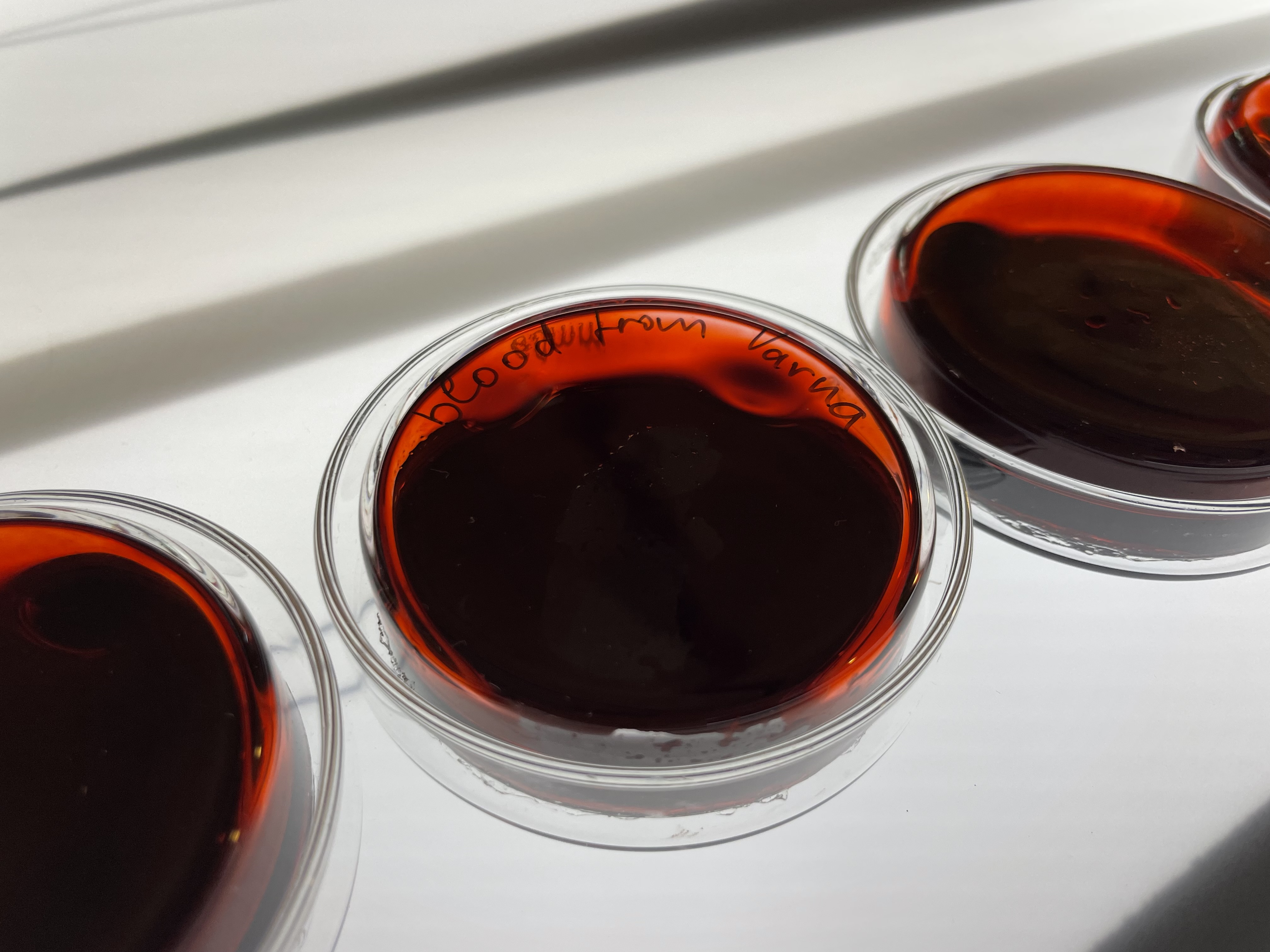

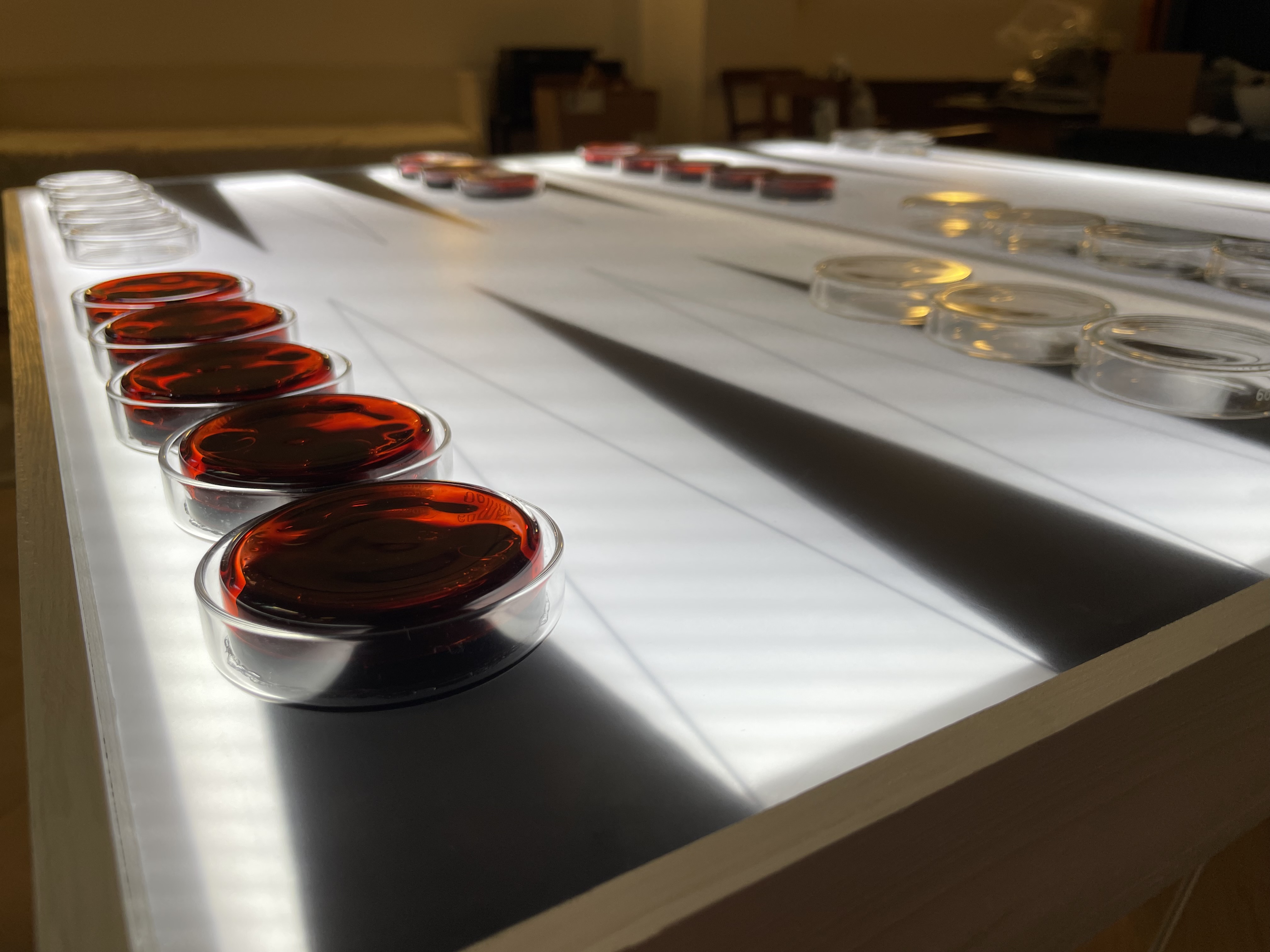
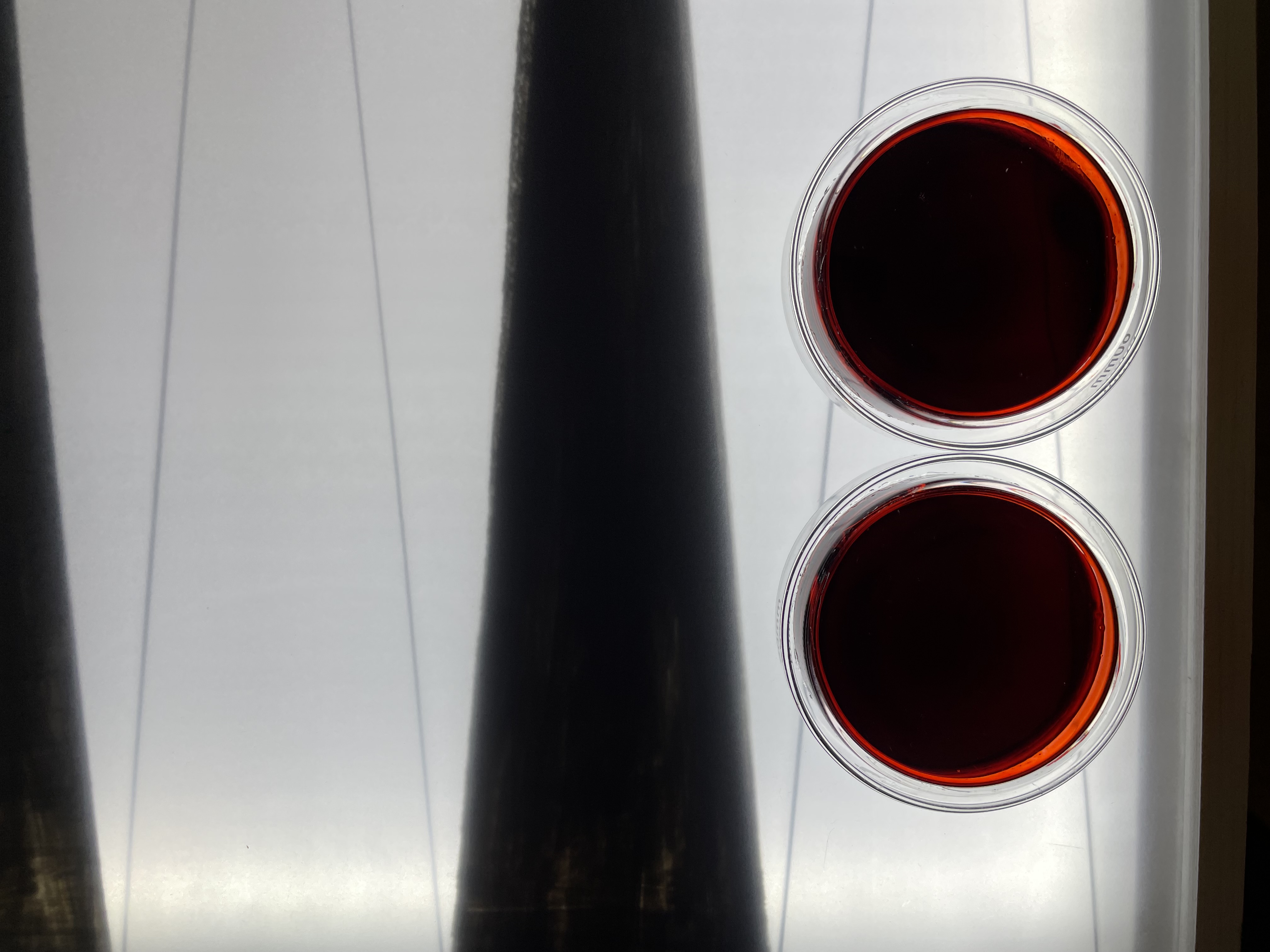

„blood from“ 2025, Dimana Lateva, installation 90/90/5h cm
BUNA VARNA Artfestival 2025, Discovery and otherness in the age 5.0
EN The basis of my work is the story of Zdravka Evtimova “Blood of a Mole”. The inner sadness in the invisible interhuman border. In my ambition to find new boundaries and points of contact in interpersonal relationships, I use the field of a strategic game backgammon Everyone can be close and foreign and with a knife in hand.
According to recent scientific studies, people are 99.9% identical. 0.1% are responsible for the differences between us, with external features being a significantly smaller percentage. However, the way we understand the other is entirely superficial and comes down to external features.


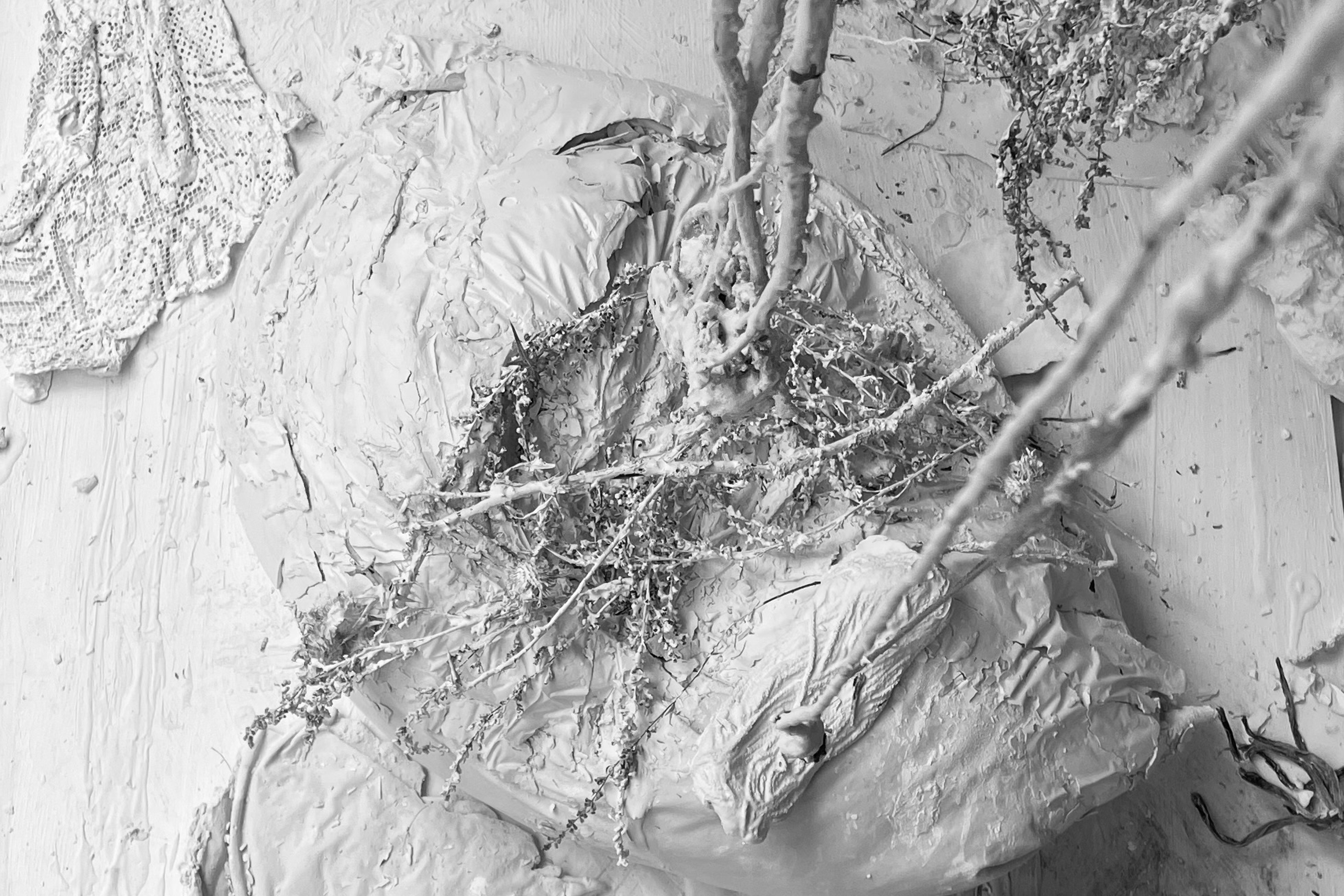
Kunst im Schaukästen und Leerständen, Öffentlicher Raum St. Pölten
Alltagsgegenstände verschiedener Zeiten verbinden sich zu einer Erinnerungscollage aus Geschichte und Geschichten des Herrenhofs. Was assoziieren wir mit welchen Objekten? Welche Fragmente der Vergangenheit kann man erahnen, welche wurden ausgelöscht oder verloren? Mit Gips als Formgebungskomplizen begebe ich mich auf Objekt-Spuren, die einst den Herrenhof belebten.
Der Schaukasten, die museale Vitrine, war ursprünglich vor allem Präsentationsraum kultureller Eliten für Symbolobjekte und wertvolle Trophäen. In meiner Arbeit möchte ich mich mit dem Alltäglichen und häufig Übersehenem beschäftigen. Welche Fährten des täglichen Lebens auf dem Herrenhofs lassen sich aufnehmen: eine Küche des Mittelstands, das erste private Wandertheater, Apotheke und Tischlerei, die vom großen Feuer ausgelöscht, wurde.
In der Archäologie des Alltags verweben sich historische Nutzungs- und Bedeutungsschichten mit ihren Brüchen und Auslassungen zu einem komplexen Objekt im Heute.


„Balloon“ 2024, Dimana Lateva, sculpture 50/50/300cm
BUNA VARNA Artfestival 2024, Natur of Relations, Urban Interventions
EN „If we are not in someone’s memory, do we exist at all?“ G. Gospodinov, „Time Shelter“ 2020.
If we wanted to memorize something of our nature, to seal the moment and the place and convey the most precious? My letter in a bottle would be the air. Through it, every living part of nature tirelessly tries to remain immortal. The air, the smell is banal and invisible, but specific in each space.
„The past is not just what happened to you. Sometimes it’s just what you made up. There was a case with Mircea from Magurele. He remembered only what did not happen to him.“ G. Gospodinov, „Time Shelter“ 2020.
What would it be like if Varna is precisely such a place that you have not been to and only meet in your thoughts, from which you cannot fly away. In occupied Paris 1870, communication with the military outside the capital becomes impossible, then salvation comes from heaven. The construction of balloons begins, which manage to deliver a large amount of ammunition and letters with important information outside the occupied city. Can we still find answers today at a height in our atmosphere? How much of the mystique of being invisible makes him vulnerable?

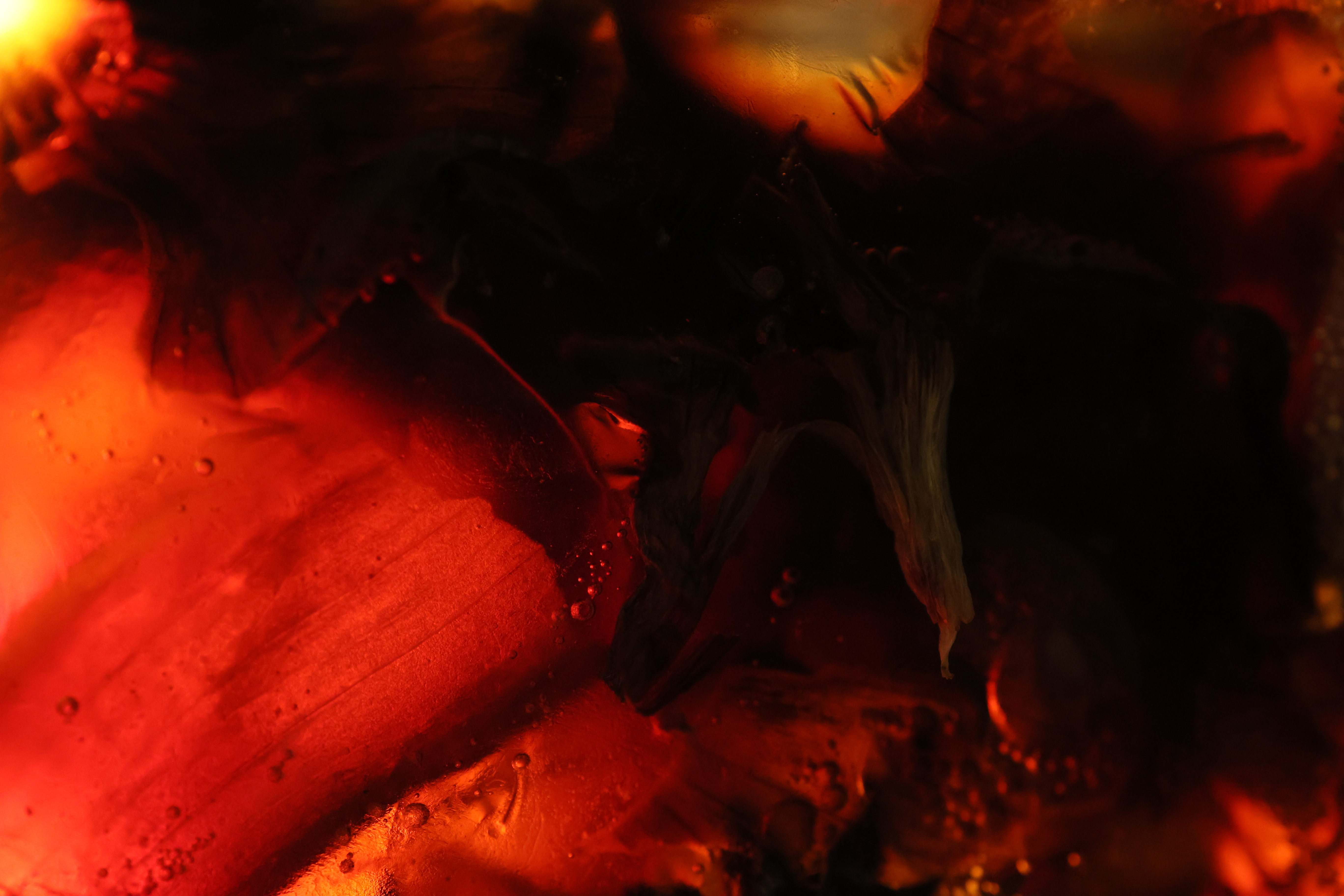
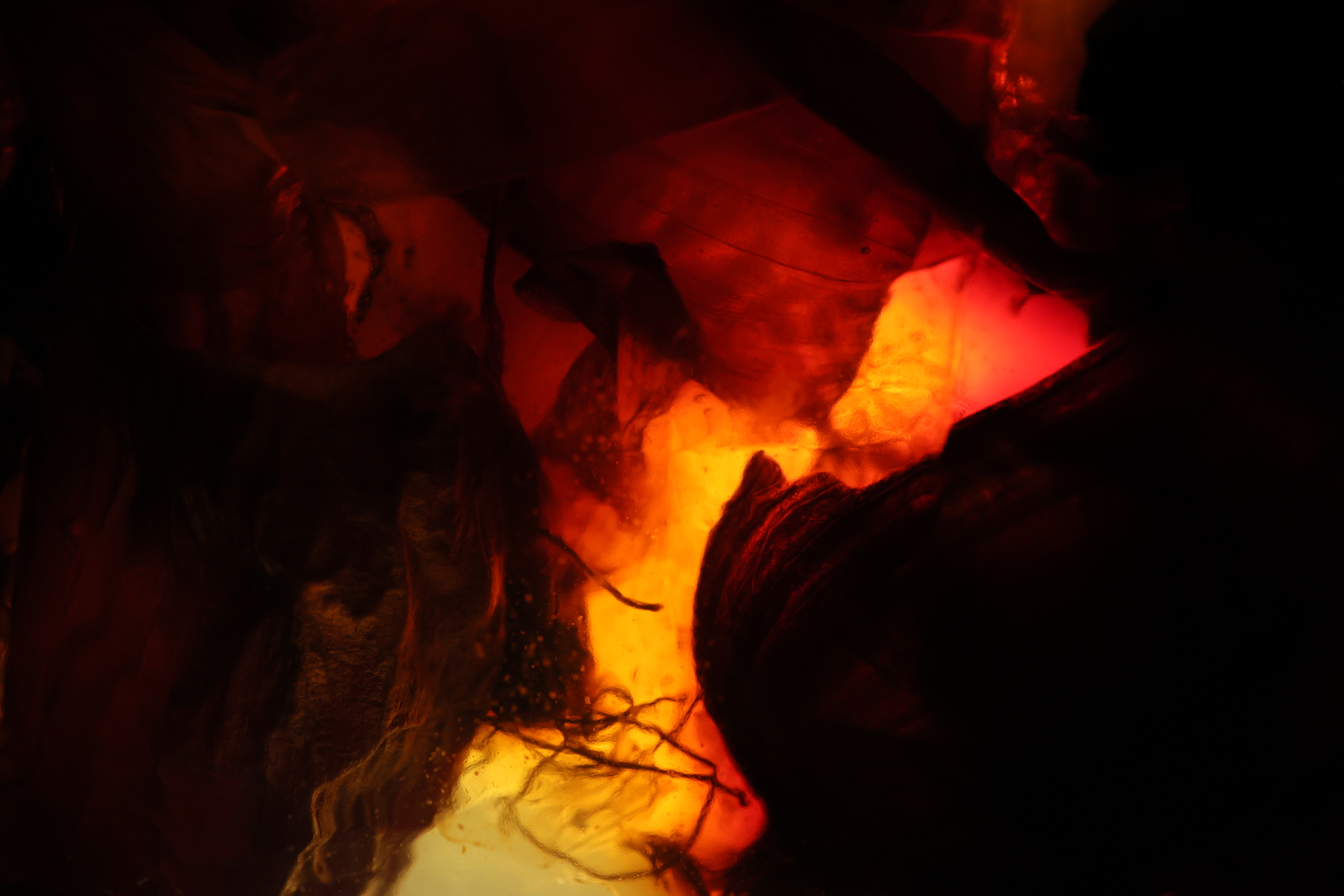
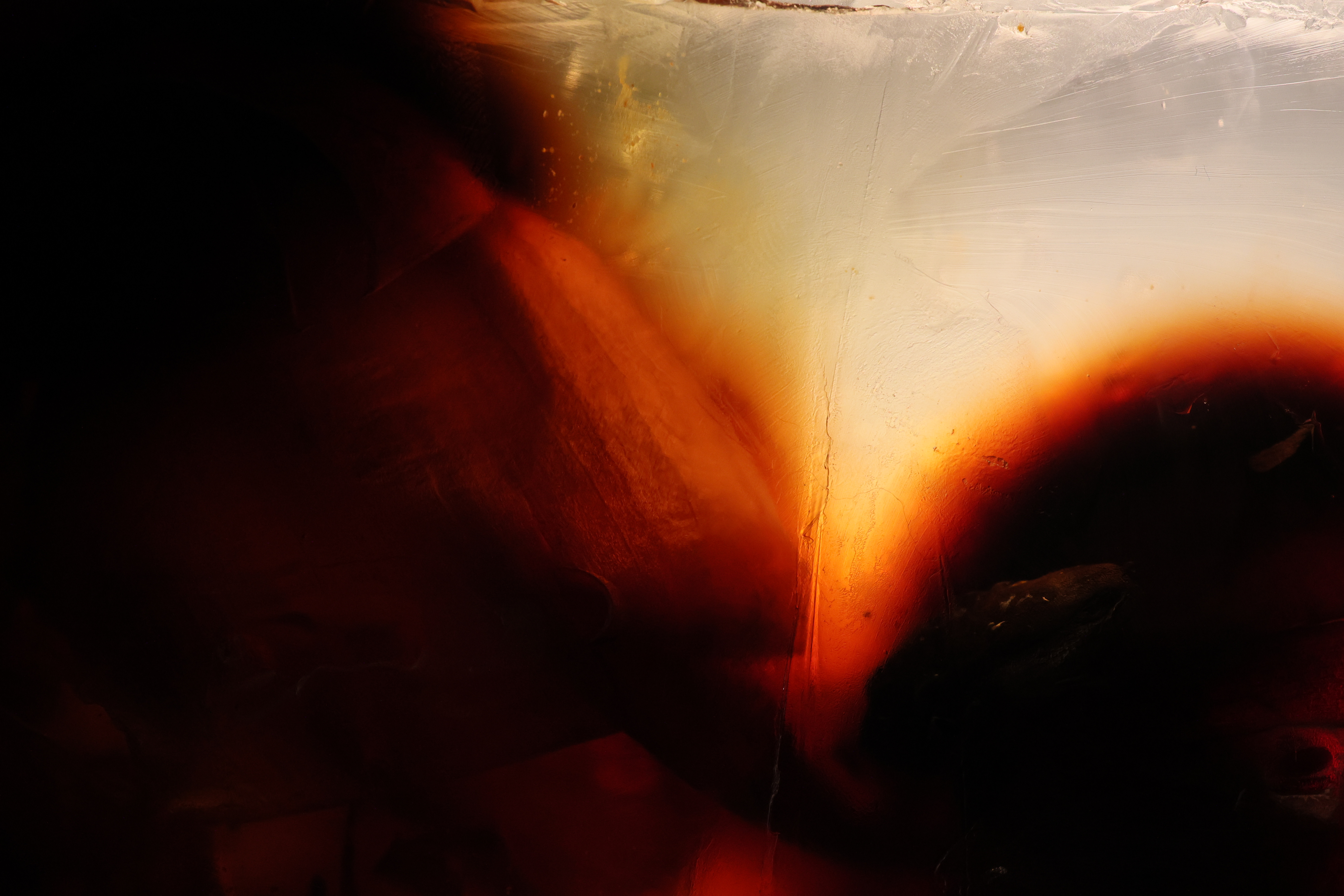

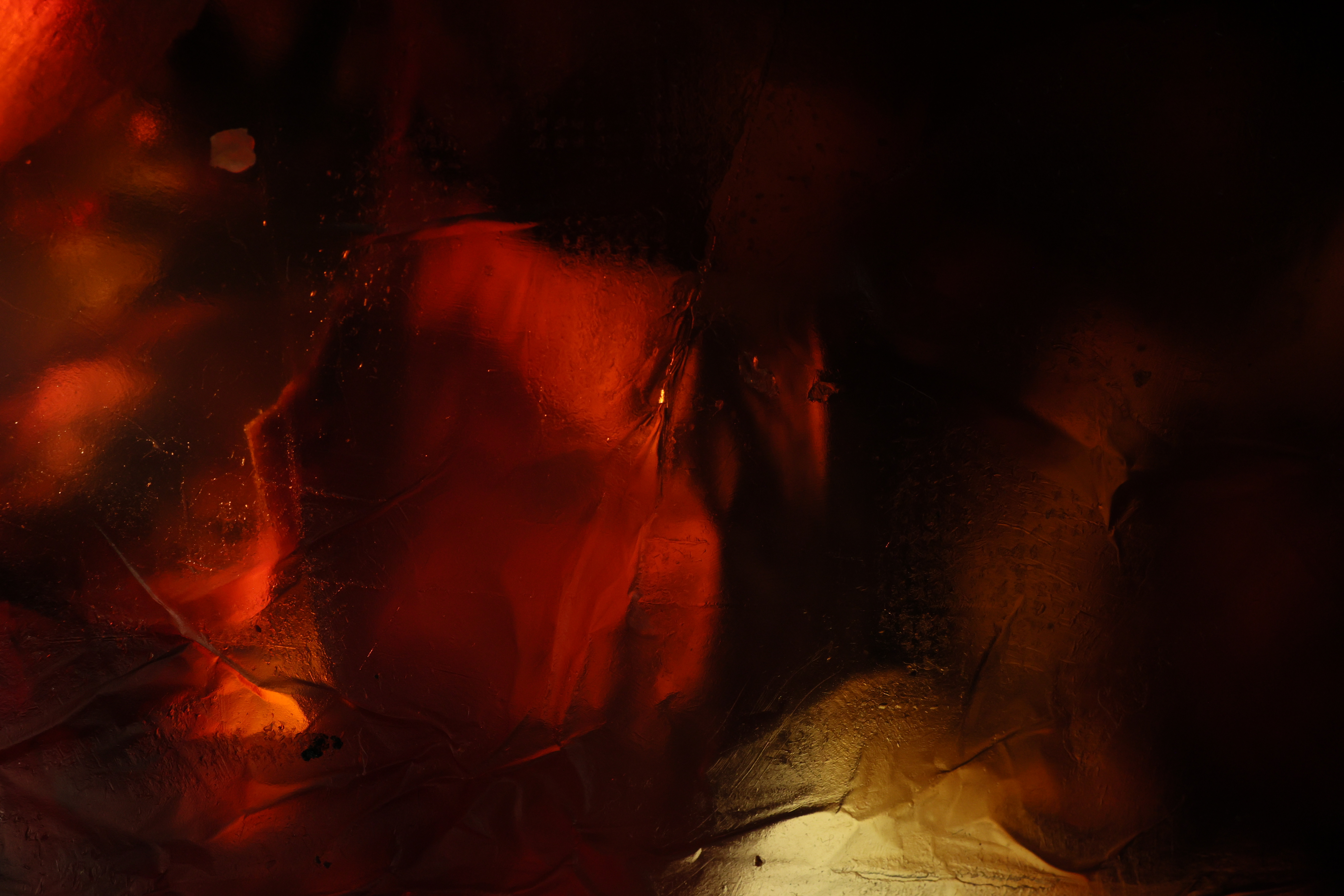
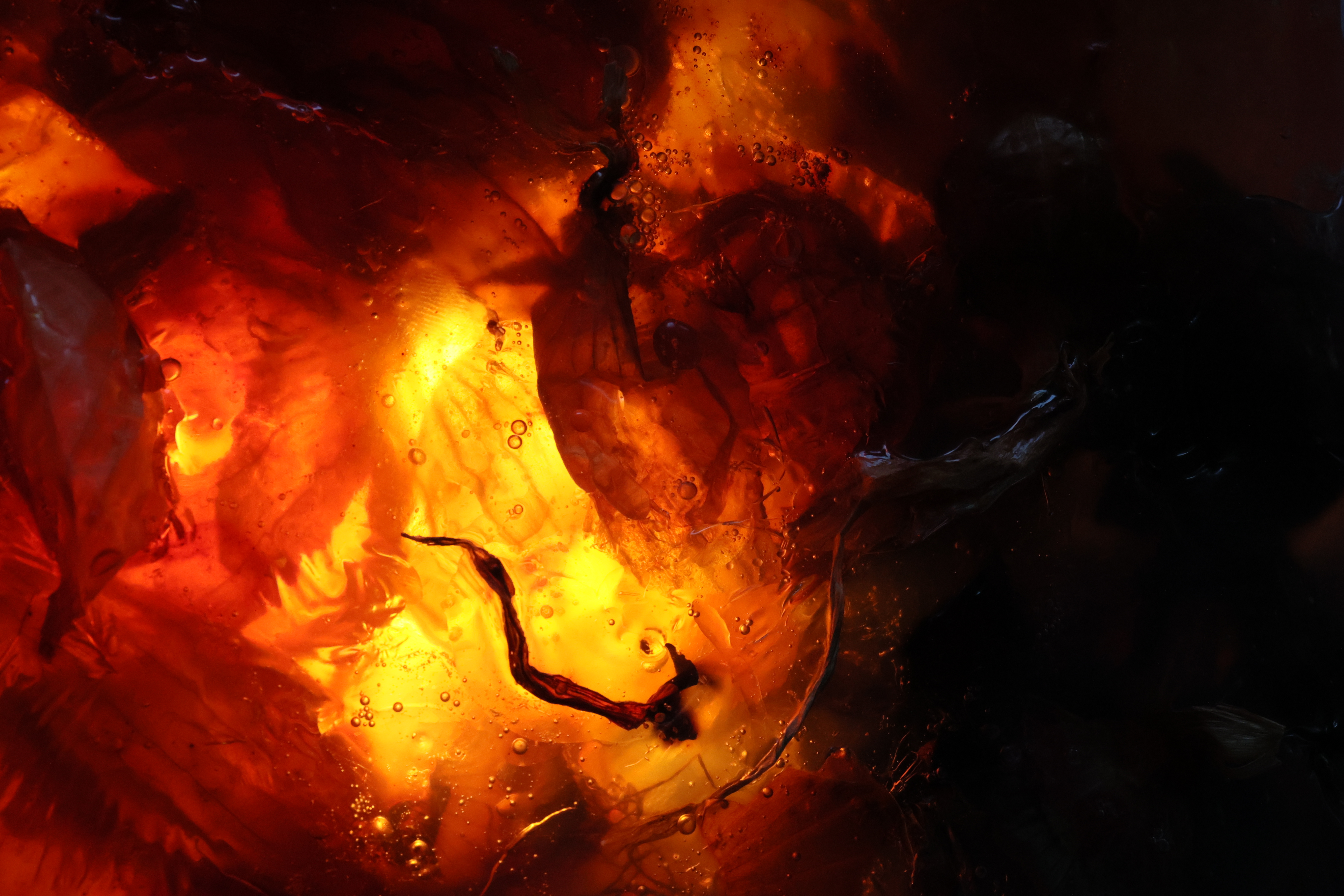


„Black Sea“ 2022, Dimana Lateva, sculpture 40/26/15cm
EN About 5,000 years ago, a melting glacier in the Mediterranean sea turned a huge freshwater lake into a sea. The water rushing in from the Bosphorus gave birth to the legend of the Flood.
Today 90% of the sea is dead. Freshwater full-flow rivers seal the lower layers of the waters, making it poor in oxygen. Invasions of rapan sea snails and jellyfish in the 1960s and 1980s threatened the survival of many species of fish. Global warming and pollution continue its agony apace. At a depth of 90 meters, life is impossible, but it creates heavenly conditions for conservation. The oldest ships in remarkably good condition can be found in the Black Sea. While life on the surface continues turbulently, eternity rests quietly at the bottom.
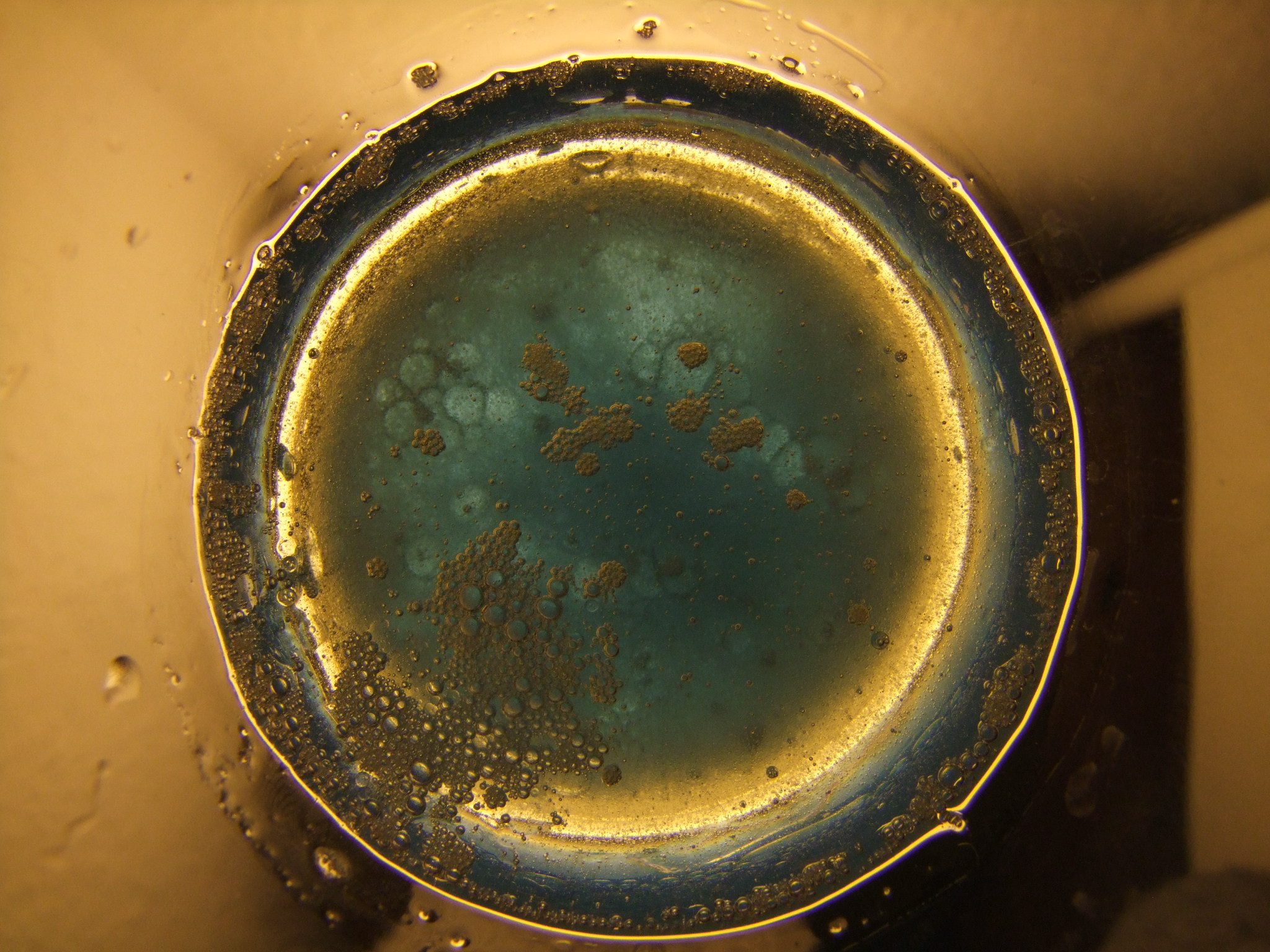
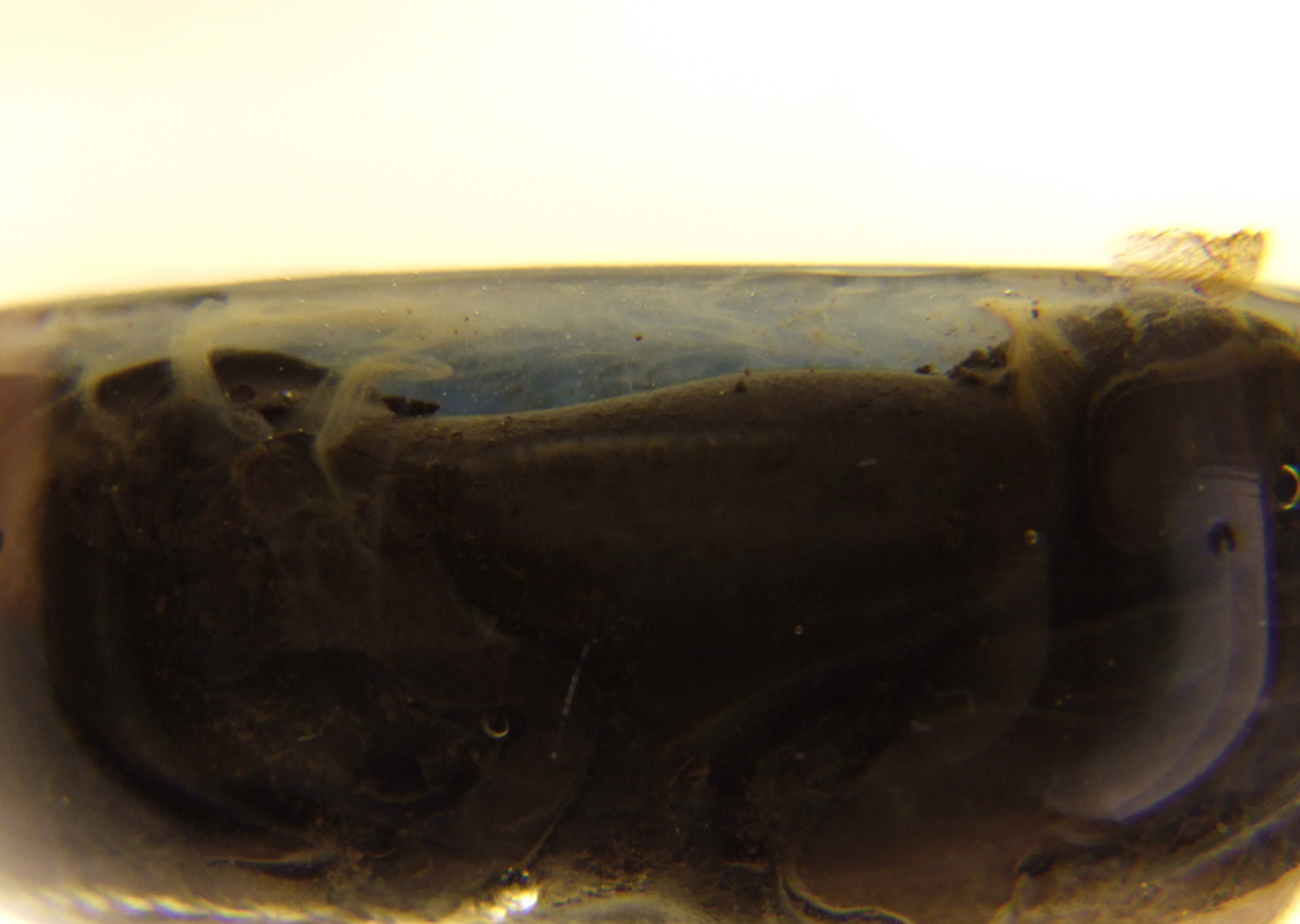
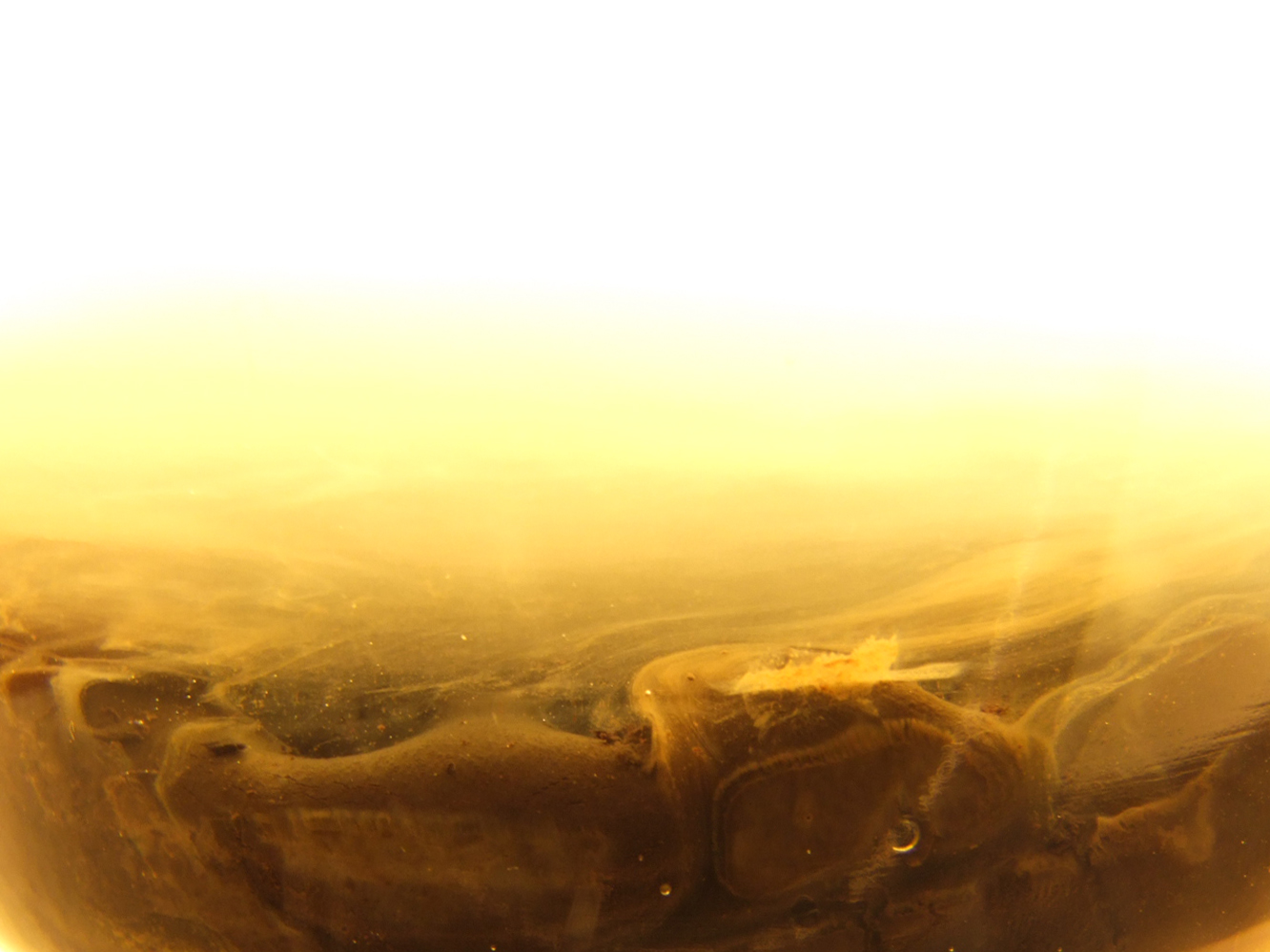
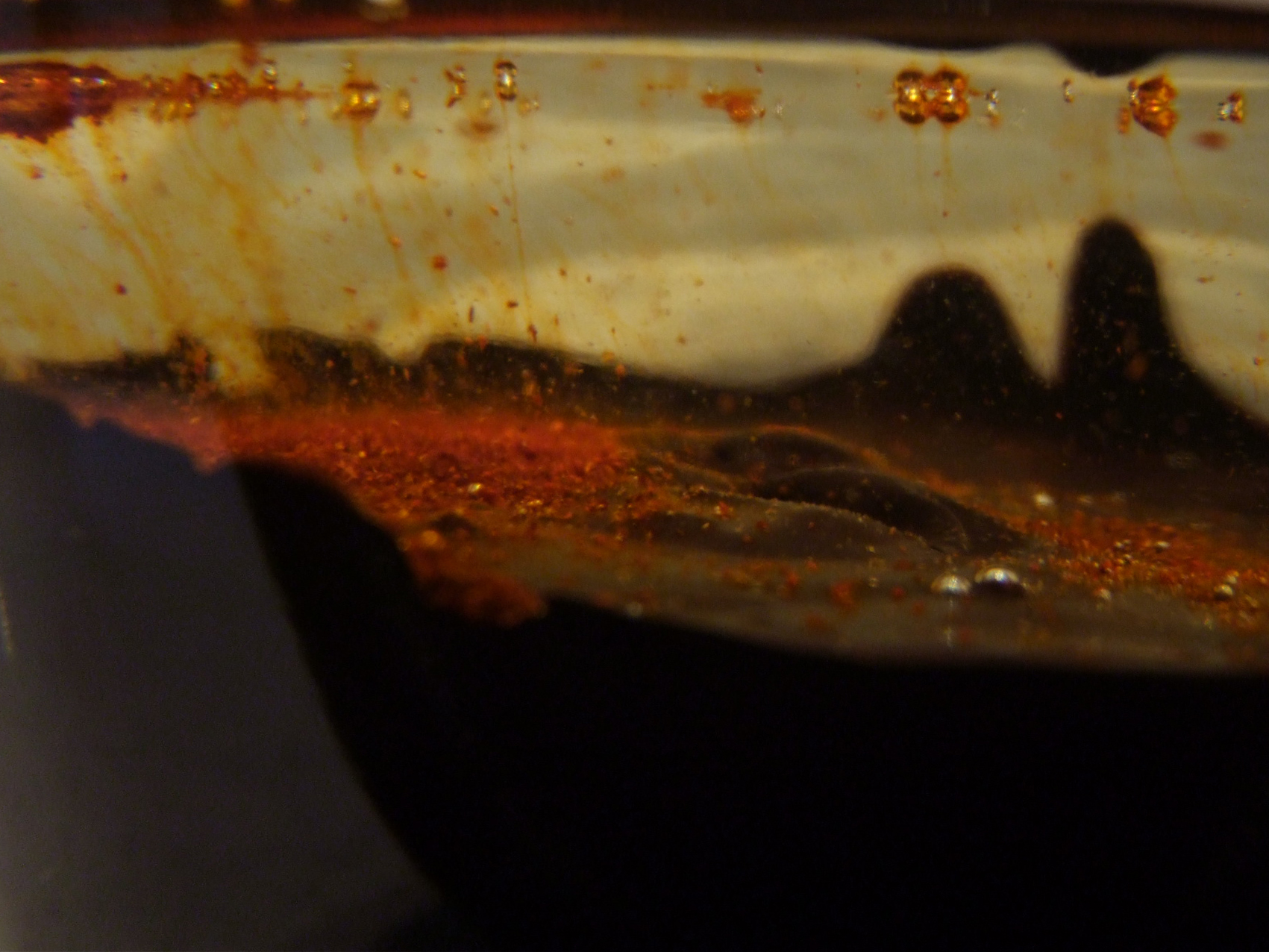
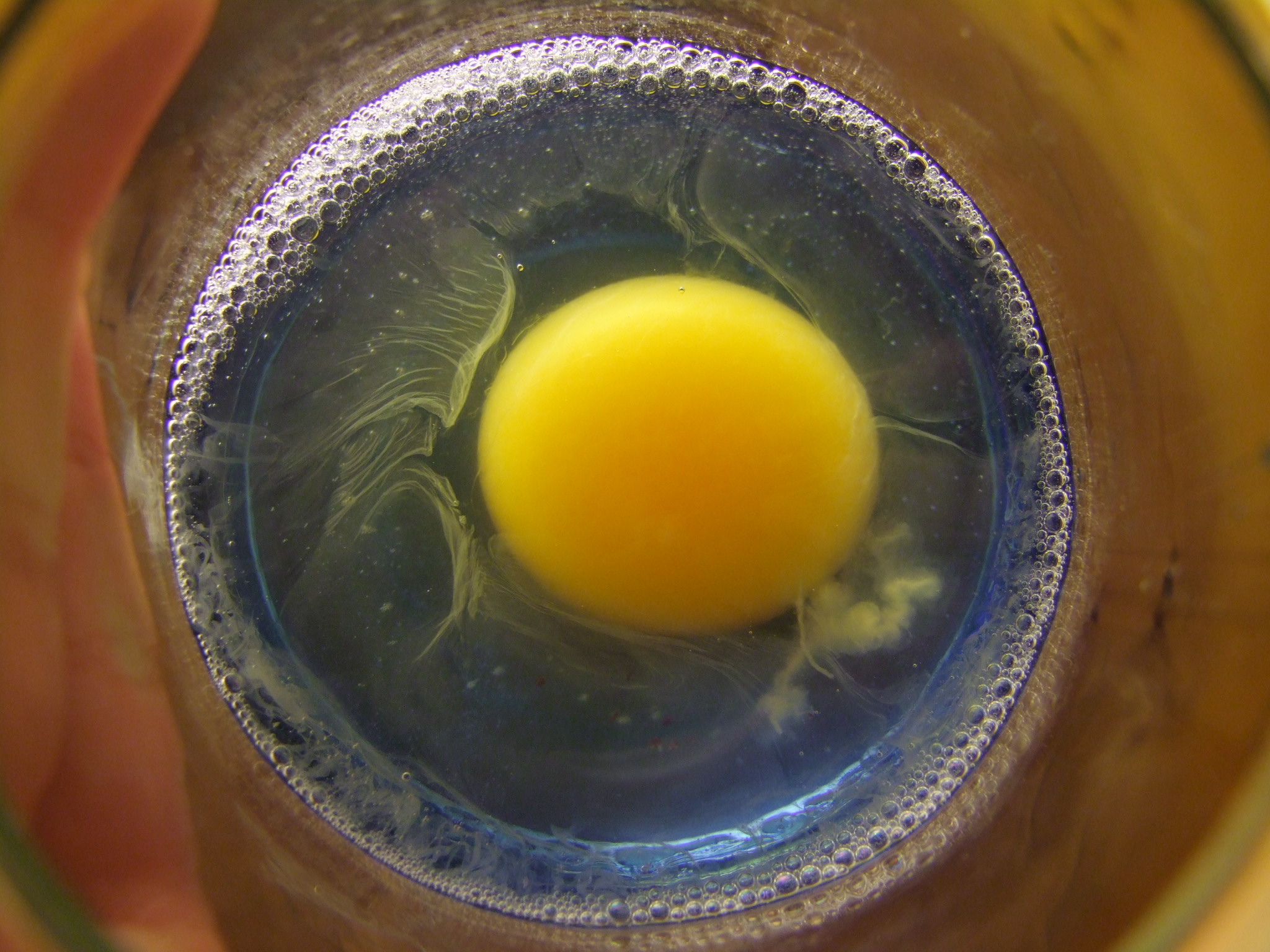
My sculpture consists only of soap and onions. They can be fully destroyed and decomposed in water. The origin of the onion plant is so old that no one is able to determine where its roots came from. They are now all over the world. The onion here is a symbol of our cuisine, an accomplice to our existence and happiness. What values from our home, culture and life will we leave to our descendants? If we want to preserve a value from our modern history, what would it be?

 DIMANA LATEVA